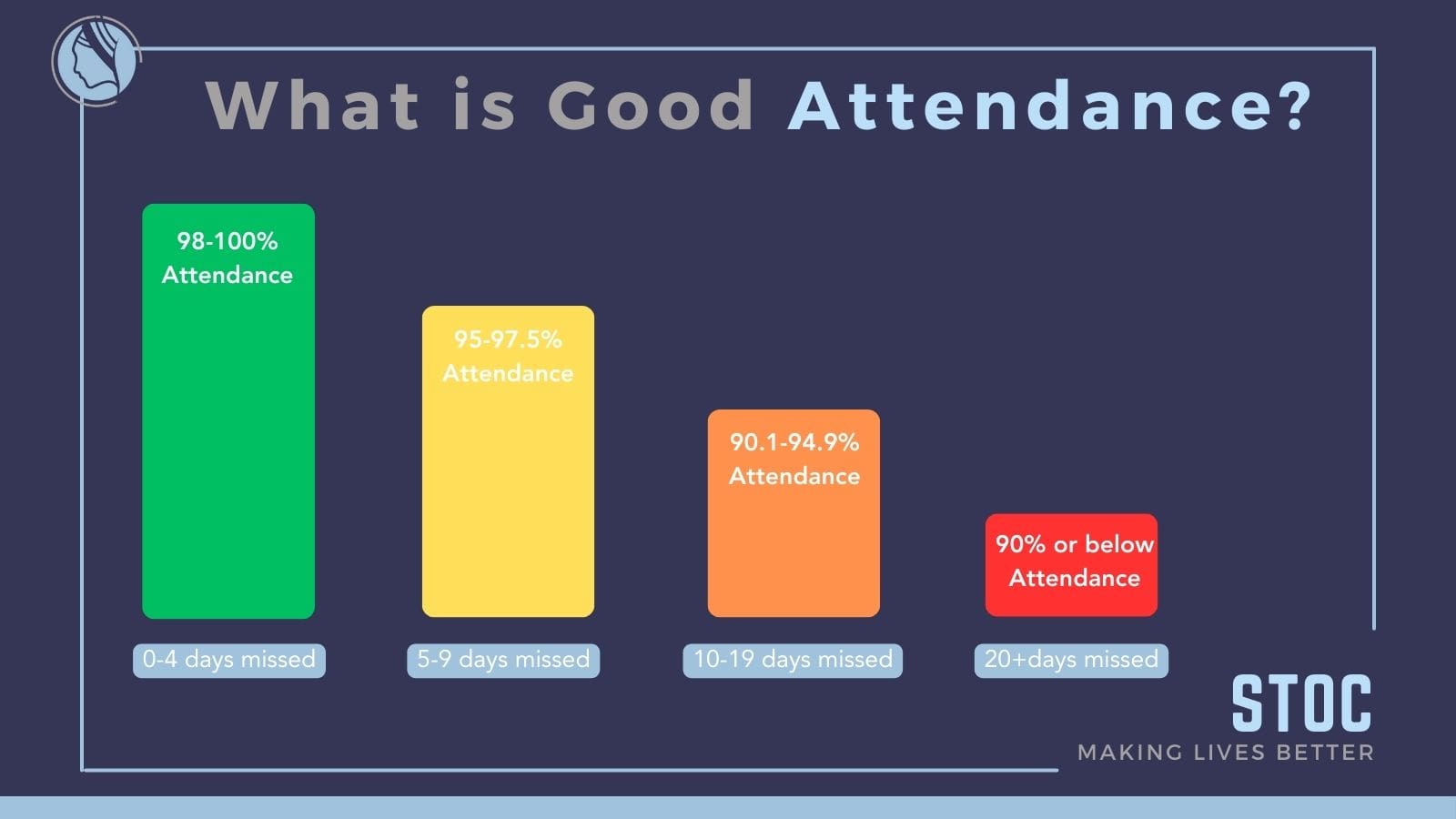
Regular school attendance is crucial for your child’s academic achievement, overall well-being, and broader development. When children attend school consistently, they have the opportunity to engage with their peers, teachers, and educational resources. Good attendance patterns correlate with higher academic achievement and a more positive school experience. Moreover, attending school regularly helps instil responsible behaviour patterns that extend beyond the classroom.
The designated senior leader (also known as the ‘senior attendance champion’) responsible for attendance is Mrs JE Davies.
To view our Attendance Policy, please click here.
The headteacher will allow pupils to be absent from the school site for certain educational activities, or to attend other schools or settings.
The headteacher will only grant a leave of absence to a pupil during term time if the request meets the specific circumstances set out in the 2024 school attendance regulations.
These circumstances are:
• Taking part in a regulated performance, or regulated employment abroad
• Attending an interview
• Study leave
• A temporary, time-limited part-time timetable
• Medical emergencies
• Family emergencies
• Exceptional circumstances
A leave of absence is granted at the headteacher’s discretion, including the length of time the pupil is authorised to be absent for.
Leave of absence will not be granted for a pupil to take part in protest activity during school hours.
As a leave of absence will only be granted in exceptional circumstances, it is unlikely a leave of absence will be granted for the purposes of a family holiday.
The school considers each application for term-time absence individually, taking into account the specific facts, circumstances and relevant background context behind the request.
Any request should be submitted as soon as it is anticipated and, where possible, at least two weeks before the absence. The headteacher may require evidence to support any request for leave of absence.
Other valid reasons for authorised absence include (but are not limited to):
• Illness (including mental-health illness) and medical/dental appointments
• Religious observance – where the day is exclusively set apart for religious observance by the religious body to which the pupil’s parent(s) belong(s). If necessary, the school will seek advice from the parent’s religious body to confirm whether the day is set apart
• Parent(s) travelling for occupational purposes – this covers Roma, English and Welsh gypsies, Irish and Scottish travellers, showmen (fairground people) and circus people, bargees (occupational boat dwellers) and new travellers. Absence may be authorised only when a traveller family is known to be travelling for occupational purposes and has agreed this with the school, but it is not known whether the pupil is attending educational provision
• If the pupil is currently suspended or excluded from school (and no alternative provision has been made)
Other reasons the school may allow a pupil to be absent from the school site, which are not classified as absences, include (but are not limited to):
• Attending an offsite approved educational activity, sporting activity or visit or trip arranged by the school
• Attending another school at which the pupil is also registered (dual registration)
• Attending provision arranged by the local authority
• If there is any other unavoidable cause for the pupil not to attend school, such as disruption to travel caused by an emergency, a lack of access arrangements, or because the school premises are closed
Click here to read more about Fixed Penalty Notices in Bury.
Unplanned absence
The pupil’s parent must notify the school of the reason for the absence on the first day of an unplanned absence by 9.00am, or as soon as practically possible, by calling the school office staff, who can be contacted via telephone on 0161 764 4014 or email.
We will mark absence due to physical or mental illness as authorised, unless the school has a genuine concern about the authenticity of the illness.
Where the absence is longer than 5 days, or there are doubts about the authenticity of the illness, the school will ask for medical evidence, such as a doctor’s note, prescription, appointment card or other appropriate form of evidence. We will not ask for medical evidence unnecessarily.
If the school is not satisfied about the authenticity of the illness, the absence will be recorded as unauthorised and parents will be notified of this in advance.
Planned absence
Attending a medical or dental appointment will be counted as authorised as long as the pupil’s parent notifies the school in advance of the appointment.
Parents should bring a copy of the appointment letter when collecting their child.
However, we encourage parents to make medical and dental appointments out of school hours where possible. Where this is not possible, the pupil should be out of school for the minimum amount of time necessary.
The pupil’s parent must also apply for other types of term-time absence as far in advance as possible of the requested absence.
Lateness and punctuality
A pupil who arrives late:
• Before the register has closed will be marked as late, using the appropriate code
• After the register has closed will be marked as absent, using the appropriate code
Following up unexplained absence
Where any pupil we expect to attend school does not attend, or stops attending, without reason, the school will:
• Call the pupil’s parent on the morning of the first day of unexplained absence to ascertain the reason. If the school cannot reach any of the pupil’s emergency contacts, the school will carry out a home visit
• Identify whether the absence is approved or not
• Identify the correct attendance code to use and input it as soon as the reason for absence is ascertained – this will be no later than 5 working days after the session(s) for which the pupil was absent
• Call the parent on each day that the absence continues without explanation, to make sure proper safeguarding action is taken where necessary. If absence continues, the school will consider involving an education welfare officer
• Where relevant, report the unexplained absence to the pupil’s youth offending team officer
• Where appropriate, offer support to the pupil and/or their parents to improve attendance
• Identify whether the pupil needs support from wider partners, as quickly as possible, and make the necessary referrals
• Where support is not appropriate, not successful, or not engaged with: issue a notice to improve, penalty notice or other legal intervention as required
School attendance is a vital foundation for children’s success. It is more than just being present—it is about creating opportunities for academic achievement, personal growth, and a brighter future. Each day in school matters and can have a lasting impact. Visit The Importance of Attendance page to learn more about attendance across our Trust.
Attendance is Everyone's Business